Sugar doesn't just sweeten strawberries; it actively reduces their internal pressure, causing them to relax and soften into a glossy, syrupy delight. This transformation fundamentally alters the berry's structure, enhancing its flavor for diverse culinary uses.
However, the seemingly straightforward process of macerating strawberries with sugar is complicated by widely conflicting expert advice on optimal timing and storage. Home cooks frequently encounter inconsistent results, hindering their ability to reliably achieve the technique's full flavor and texture potential.
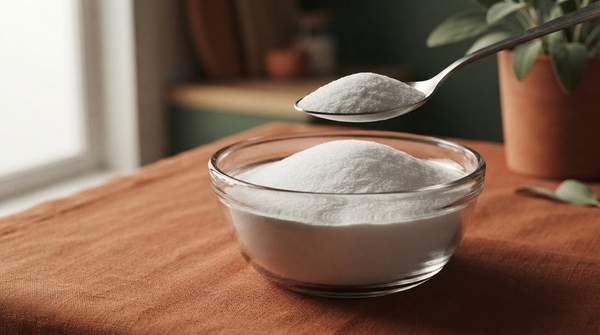
Understanding the underlying osmotic process allows home cooks to confidently experiment and tailor maceration to their desired outcome, rather than strictly following a single, potentially conflicting, recipe. The technique involves coating 1 pound of strawberries in sugar, which then draws out water from the fruit and causes it to soften, creating a glossy syrup, according to Bon Appetit.
The Debate Over Time and Temperature
Optimal maceration timing and sugar quantity vary significantly. For 1 pound of strawberries, Bon Appetit recommends 1 tablespoon of sugar and at least 30 minutes in the refrigerator for a lightly softened berry. Conversely, Renderfoodmag suggests 3 tablespoons of sugar and at least an hour at ambient temperature.
These differing approaches reflect varied philosophies on achieving desired texture and flavor. Since sugar draws out water, reducing internal pressure and softening the fruit (enewsletters), disparate advice on sugar content and temperature directly leads to vastly different outcomes, from a quickly softened berry to a deeply syrupy one. Understanding these trade-offs empowers cooks to choose their desired result.
Storage and Freshness Considerations
Recommended storage duration for macerated strawberries also varies. Bon Appetit suggests storage for up to 3 days in an airtight refrigerated container, though texture may diminish. In contrast, Renderfoodmag advises only 24 hours, emphasizing same-day use due to continued liquid release and optimal texture.
Differing views on optimal quality are evident. Continuous liquid release during storage suggests that longer periods, while safe, likely result in an overly watery or diminished texture. Many home cooks may unknowingly sacrifice peak texture and flavor by extending storage beyond 24 hours for convenience.
Can you macerate frozen strawberries?
Yes, frozen strawberries can be macerated, but the process differs slightly. Freezing breaks down cell walls, causing more liquid release upon thawing. Thaw the strawberries completely before tossing them with sugar, and expect a softer texture and more syrup than with fresh fruit.
What can I do with macerated strawberries?
Macerated strawberries are versatile in desserts. They can top shortcakes, pancakes, waffles, or ice cream. They also enhance yogurt, oatmeal, or can be folded into whipped cream for a simple mousse. Some cooks incorporate them into cocktails or use the syrup in vinaigrettes.