If your weeknight dinners taste fine but forgettable, the fix is probably not a new recipe—it's a new bottle. Two shelf-stable flavor boosters do most of the heavy lifting in professional kitchens: fish sauce, for deep savory umami, and chili crisp, for spicy crunch and aromatic complexity. This guide compares the two head-to-head and shows you exactly where each one shines in the meals you already make: rice bowls, roasted vegetables, and simple proteins.
Introduction: Elevate Weeknight Meals with Flavor-Boosting Pantry Staples
The idea is simple. As the cooks at Food52's test kitchen column put it, when you're facing a blank slate—cooked beans, roasted broccoli, broiled pork chops—"adding even one or two flavor boosters makes all of the difference." The trick is choosing boosters that work across many dishes rather than one.
That's why this guide narrows to two staples rather than a longer shopping list. Both fish sauce and chili crisp are shelf-stable, inexpensive, and versatile enough to appear in everything from scrambled eggs to roasted vegetables. But they contribute completely different things to a dish, and knowing which one to reach for is the real skill. Below, you'll find each staple's flavor profile, a direct comparison table, and three weeknight meal templates that put them to work.
Fish Sauce: The Umami Powerhouse
Fish sauce is the quiet workhorse of the pantry. Food52 describes it as "salty, funky, and pungent," and places it among the ingredients richest in umami—the savory fifth taste that makes a dish feel satisfying rather than flat. That funk is a feature, not a flaw: a small amount melts into a dish and disappears as saltiness, leaving behind depth.
Because it's a liquid, fish sauce works best when it can dissolve into something—dressings, marinades, broths, or a splash in the pan. A Vietnamese-style salad described by the food writers at Gastronomic Salt Lake City shows the pattern: romaine, radish, and mint dressed in fish sauce, lime juice, oil, and vinegar. The fish sauce isn't the star; it's the savory backbone that makes the dressing taste complete. That same logic applies to stir-fry sauces, fried rice, and quick glazes for proteins.
Chili Crisp: Spicy Crunch and Savory Depth
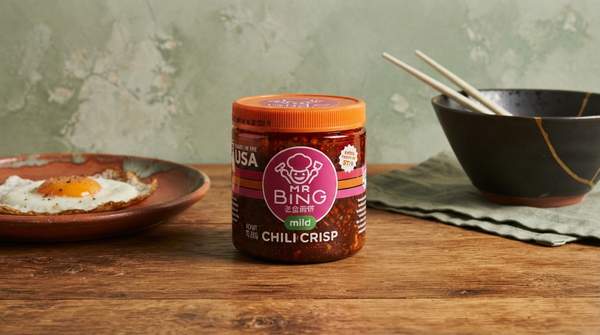
Chili crisp is the opposite approach: it's meant to sit on top of food, not disappear into it. As Food52 puts it, it's "dried chilies very happily living in oil," and the writer's go-to brand, Lao Gan Ma, has "a delightfully crunchy texture." That texture is the key differentiator from other chili products—crunch is part of the product, not a side effect.
The flavor is layered, too. Christina Teav-Liu, writing for Mama Teav's, notes that garlic and aromatics add "savory umami notes that stick around longer than straight heat," and that people now put it on "eggs, pizza, roasted vegetables, rice bowls, and even popcorn." Many Chinese-style crisps also carry a gentle sweetness and the numbing málà tingle of Sichuan peppercorn—though that balance varies by brand, so taste before assuming yours is sweet or numbing.
Comparative Guide: Fish Sauce vs. Chili Crisp
Here's the at-a-glance comparison. Use it to match the staple to the flavor you're after and the job it needs to do in the dish.
| Pantry Staple | Primary Flavor Profile | Best For (Application Type) | Example Dishes |
|---|---|---|---|
| Fish sauce | Salty, funky, pungent, umami-rich; savory rather than sweet or numbing | Dissolving into dressings, marinades, broths, and pan sauces as a savory backbone | Vietnamese-style salads, stir-fry sauces, dressings for rice and noodle bowls |
| Chili crisp | Spicy heat plus savory umami from garlic and aromatics, gentle sweetness, crunchy texture, sometimes a numbing málà tingle (varies by brand) | Finishing oil and condiment—scattered on top for spice, crunch, and toasty savoriness | Eggs, pizza, roasted vegetables, rice bowls, popcorn, dumplings, blanched tofu |
The short version: fish sauce builds flavor from within; chili crisp finishes from above. If a dish tastes flat and needs depth, reach for fish sauce. If a dish tastes fine but boring and needs excitement and texture, reach for chili crisp.
Practical Applications: Integrating Staples into Weeknight Meal Templates
You don't need recipes—just three repeatable templates. Each one shows where each staple fits.
The Rice Bowl Template
Start with rice and whatever protein and vegetables you have. Fish sauce belongs in the seasoning: stir a splash into a quick dressing of lime juice and oil, or into the pan as you fry the rice. Chili crisp belongs on top—Food52's writer uses it on "any rice bowl (even if it's just, you know, rice in a bowl)." You can absolutely use both: fish sauce in the base, chili crisp as the crunchy finish.
The Roasted Vegetable Template
Roast broccoli, potatoes, or carrots until browned. Chili crisp is the natural move here—its toasty, savory finish and crunch are exactly what soft roasted edges need, and it's a documented favorite on roasted vegetables. Fish sauce works differently: whisk it into a dipping sauce or vinaigrette served alongside, the way it anchors Vietnamese salad dressings.
The Simple Protein Template
For pan-seared chicken, pork chops, tofu, or eggs, decide by texture. Fish sauce dissolves into a quick pan sauce or marinade, giving the protein savory depth. Chili crisp goes on at the table—scrambled, soft-boiled, or fried eggs are among its most-loved uses, and blanched tofu is another go-to. For dumplings, Gastronomic's writers simply dunk them in a heap of chili crisp.
Your Next Flavor Adventure: Choosing Your Pantry Powerhouse
Select either fish sauce for a foundational umami boost or chili crisp for spicy, crunchy, aromatic enhancement, based on your preferred flavor profile and the type of weeknight meals you typically prepare. If you cook a lot of brothy, saucy, salad-heavy dishes, start with fish sauce. If your dinners are simple roasted and egg-based plates that need a lift, start with chili crisp. And because they do different jobs, they pair beautifully—many cooks keep both.
Here's your measurable indicator of success: the next time you prepare a rice bowl, roasted vegetables, or a simple protein, you will confidently reach for either fish sauce or chili crisp to elevate its flavor. When that reach becomes automatic, the pantry upgrade has done its job.
Sources
- FOOD52
- Lao Chili Oil vs Chili Crisp: A Cultural & Culinary Guide — Tiger Mom Sauces
- The Difference Between Chili Oil, Chili Crisp, and Chili Sauce — Mama Teav's
- Chili Crisp 101 – what you need to know — Gastronomic Salt Lake City