Tastes Good Magazine
RecipesRestaurantsDrinksTravelHow-ToCultureShopping
Trending
GastronomyAlcohol ConsumptionWellnessFood TrendsQuick MealsEasy RecipesCocktailsCulinary Tourism
Tastes Good Magazine—Exploring modern food culture, one bite at a time.
RecipesRestaurantsDrinksTravelHow-To|WritersContactPrivacyTerms

© 2026 Tastes Good Magazine. All rights reserved.

  1. Home
  2. /Pantry
  3. /Top 7 Pantry Staples for Quick Weeknight Meals
Pantry

Top 7 Pantry Staples for Quick Weeknight Meals

Peanut butter, a staple many assume lasts forever, actually needs to be used within three months of opening to keep its best quality and flavor, according to Brightland .

ML
Maya Lin

August 19, 2026 · 5 min read

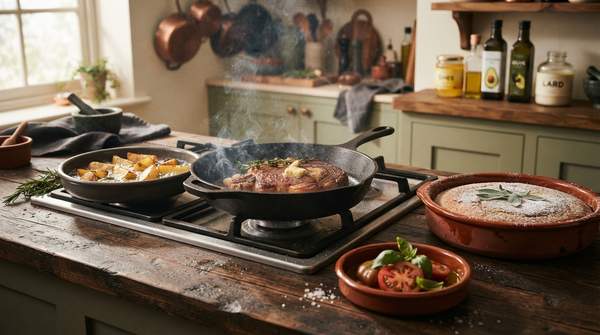
A variety of essential pantry staples arranged attractively on a kitchen counter, ready for quick and easy weeknight meal preparation.

Peanut butter, a staple many assume lasts forever, actually needs to be used within three months of opening to keep its best quality and flavor, according to Brightland. That jar sitting in your cupboard might be past its prime sooner than you think, potentially impacting your quick weeknight meals.

Many home cooks believe their pantry staples last indefinitely once opened. However, common items like peanut butter and even pure maple syrup have surprisingly short post-opening shelf lives, creating a hidden challenge for truly efficient meal preparation.

Consumers who do not actively track the specific shelf lives of their opened pantry items are likely wasting food and money, unknowingly compromising the quality and taste of their home-cooked dinners.

A well-stocked pantry is often hailed as the secret to delicious, nutritious home-cooked meals, a sentiment echoed by Arrowhead Mills and Recipetin Eats. Yet, not all staples offer indefinite longevity. While some, like cornstarch, truly last, many others demand prompt attention. The real power of a robust pantry lies in knowing which ingredients genuinely endure and which require quick use, turning potential waste into efficient meal prep.

Beyond the Best-By Date: Surprising Shelf Lives of Common Staples

1. Canned Tomatoes

Best for: Building flavorful bases for soups, stews, and sauces.

Canned tomatoes are a pantry powerhouse for everything from pasta sauces to chili, according to Arrowhead Mills and Recipetin Eats. Once opened, however, they need refrigeration and use within 5-7 days. Failing to track this short window means flavorful bases can quickly turn to food waste.

Strengths: Highly versatile, long unopened shelf life, foundational for many dishes. | Limitations: Short opened shelf life, can lead to waste if not used promptly. | Price: Budget-friendly.
2. Beans and Legumes

Best for: Adding plant-based protein and fiber to any meal.

Beans and legumes are protein-packed additions to soups, stews, and salads, as noted by Arrowhead Mills and Recipetin Eats. While dried beans are long-term keepers, opened canned varieties require refrigeration and consumption within 3-4 days. Don't let these healthy staples spoil before they reach your plate.

Strengths: Excellent protein source, versatile, economical. | Limitations: Canned varieties have a short opened shelf life. | Price: Very affordable.

3. Grains (Rice, Quinoa, Barley)

Best for: Creating satisfying, hearty bases for bowls and side dishes.

Grains like rice, quinoa, and barley are pantry essentials, storing for extended periods uncooked, says Arrowhead Mills. But once cooked, these versatile bases must be refrigerated and eaten within 3-4 days. Plan your portions to avoid tossing perfectly good leftovers.

Strengths: Long shelf life when uncooked, versatile, filling. | Limitations: Cooked grains have a very short refrigerated life. | Price: Economical.

4. Pasta

Best for: Quick, comforting meals that stretch ingredients.

Dried pasta is a long-lasting, budget-friendly staple for countless meals, according to Arrowhead Mills. Yet, cooked pasta shares the same short 3-4 day refrigerated lifespan as grains. Cook only what you'll eat to prevent waste.

Strengths: Extremely versatile, budget-friendly, long unopened shelf life. | Limitations: Cooked pasta spoils quickly. | Price: Very affordable.

5. Spices (Salt, Pepper, Garlic Powder)

Best for: Elevating flavor in every dish, from savory to sweet.

Salt, pepper, garlic powder, and a range of other spices are indispensable for adding depth to meals, from everyday cooking to vibrant curries, as highlighted by Arrowhead Mills and Recipetin Eats. While they don't spoil, ground spices lose their potency after 6-12 months. This means your dishes could taste flat if you're cooking with old jars, making fresh spices a worthwhile investment.

Strengths: Indispensable for flavor, long shelf life without spoilage. | Limitations: Lose potency over time, impacting meal quality. | Price: Varies, generally moderate for staples.

6. Stock and Broth

Best for: Adding depth and moisture to soups, stews, and gravies.

Stock and broth provide a flavorful foundation for soups, stews, and gravies, enhancing dishes from creamy chowder to curry, say Arrowhead Mills and Recipetin Eats. Once opened, these cartons demand refrigeration and use within 5-7 days. Don't let your rich bases go to waste.

Strengths: Adds rich flavor, versatile liquid base. | Limitations: Short opened shelf life, requires refrigeration. | Price: Moderate.

7. Olive Oil

Best for: Sautéing, roasting, and crafting fresh salad dressings.

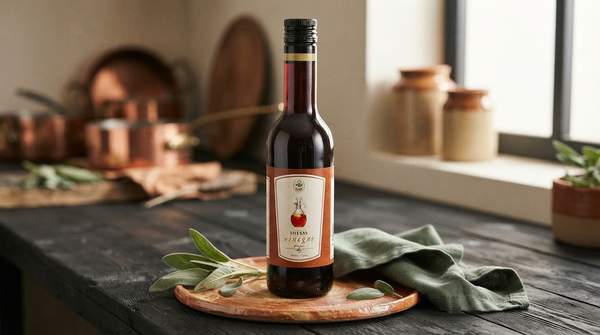
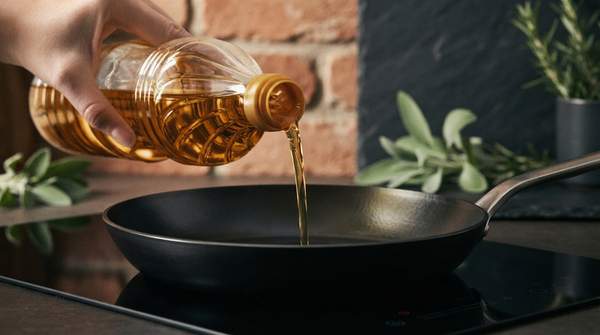
Olive oil is a versatile cooking fat, perfect for everything from salad dressings to pan-frying, according to Brightland. Though unopened bottles last up to two years, once opened, aim to use it within 3-6 months. Beyond this, it can go rancid, compromising the flavor of your dishes.

Strengths: Highly versatile cooking fat, essential for many preparations. | Limitations: Can go rancid after opening if not used relatively quickly. | Price: Moderate to premium.

Pantry StapleOpened Shelf Life (Approx.)Versatility for Quick MealsPotential for Waste if Mismanaged
Canned Tomatoes5-7 days (refrigerated)High (soups, sauces, chili)High
Beans/Legumes (Canned)3-4 days (refrigerated)High (salads, stews, curries)High
Grains (Cooked)3-4 days (refrigerated)High (bases for bowls, sides)High
Pasta (Cooked)3-4 days (refrigerated)High (quick dinners)High
Spices (Ground)6-12 months (lose potency)High (flavor enhancement)Moderate (flavor loss)
Stock/Broth5-7 days (refrigerated)High (soups, gravies)High
Olive Oil3-6 months (room temp)High (cooking, dressings)Moderate (rancidity)

If consumers embrace diligent tracking of opened pantry items, they will likely see a significant reduction in food waste and a noticeable improvement in the quality of their everyday meals.

What are essential non-perishable items for meals?

Essential non-perishable items for quick meals include dried pasta, rice, and canned beans. While these last long unopened, remember that ground spices lose flavor potency after 6-12 months, making fresh spices key for vibrant meals.

How to stock a pantry for busy weeknights?

For busy weeknights, stock versatile items like canned tomatoes, pasta, and olive oil. Crucially, refrigerate opened canned goods and use them within 3-7 days. Opened olive oil maintains best quality for 3-6 months; prioritize its use to avoid rancidity.

What ingredients should I always have in my pantry for cooking?

Always have foundational ingredients like olive oil, canned beans for protein, and dried grains. Also, keep pure maple syrup on hand, but remember to refrigerate it after opening and use within one year, as Brightland advises, to ensure delicious breakfasts and desserts.

Related Coverage from Pantry

  • Why Chefs Buy Budget Cookware: The 'Expensive Gadget' Myth Debunked

Tags

Pantry StaplesWeeknight MealsQuick MealsEasy RecipesCooking TipsFood StorageMeal Prep
ML

Maya Lin

Staff Writer, Wellness & Pantry

Maya Lin is a Staff Writer for Wellness & Pantry at Tastes Good Magazine, covering healthy weeknight recipes, pantry staple reviews, and sustainable kitchen practices. Her approach focuses on demystifying wellness trends and developing vibrant, plant-based recipes that make nourishing eating accessible.

Trending Now

1
Upgrade Your Home Cooking Experience With BonCook’s Must-Have Kitchen and Bakeware Essentials

Upgrade Your Home Cooking Experience With BonCook’s Must-Have Kitchen and Bakeware Essentials

Shopping· 1 view
2
A modern bar with an untouched cocktail, symbolizing the decline in alcohol consumption among Americans.

Why Americans Now See Drinking as Unhealthy: A Record High

Drinks
3
A decadent, slightly burnt Basque cheesecake with a creamy interior, presented on a rustic table, symbolizing its global culinary fame.

Basque cheesecake recipe sparks global viral popularity

Recipes
4
Young adults at a social gathering with a mix of alcoholic and non-alcoholic drinks, reflecting changing consumption habits.

Americans' alcohol consumption stays at a record low 54%

Wellness
5
A professional mixologist expertly preparing a colorful cocktail behind a sleek bar, showcasing the art and precision of a successful restaurant cocktail program.

How to Design a Successful Restaurant Cocktail Program

Restaurants
6
A lively, diverse crowd enjoying food and drinks at a vibrant outdoor food festival under warm string lights at dusk.

Culinary tourism surges as food festivals draw crowds

Travel

More from Pantry

Chef's hands using a budget-friendly paring knife for precise vegetable preparation in a professional kitchen setting.

Why Chefs Buy Budget Cookware: The 'Expensive Gadget' Myth Debunked

At a Michelin-starred restaurant in New York, the head chef's most prized possession isn't a $5,000 smart oven, but a $15 Victorinox paring knife he's sharpened for years.

Isabela Costa· Aug 8
A rustic kitchen scene featuring an assortment of alternative flours like almond, coconut, and oat, with a freshly baked loaf of bread.

Your Guide to Alternative Flours for Baking and Cooking

A single cup of almond flour packs a nutritional punch: 579 kcal per 100 grams and 25.

Maya Lin· Aug 4
Artfully arranged prosciutto and melon slices on a rustic wooden board, with a subtle mist symbolizing aroma, highlighting the science of flavor pairing.

What Are the Scientific Principles of Flavor Pairings?

When you bite into a perfectly paired dish, like prosciutto and melon, it is not just taste buds at work; a synchronized release of aroma compounds immediately after ingestion can significantly enhanc

Alex Chen· Jul 3
Close-up of cooking salt samples, including Himalayan pink salt, with a dark drop falling into the pile, symbolizing lead contamination.

Lead Contamination in Cooking Salts: What You Need to Know

A recent study found lead levels in all 10 analyzed salt samples, including popular specialty varieties, exceeded maximum safe levels, according to PMC .

Alex Chen· Jul 1