The kitchen is often the heart of the home, a place for nourishment and connection. Yet, many common kitchen products, from non-stick pans to plastic containers, can introduce unwanted chemicals into our food and environment. Navigating claims about microplastics and "forever chemicals" can feel overwhelming, but making safer choices doesn't have to be complicated. This guide provides a clear framework for identifying potentially harmful materials and selecting durable, non-toxic alternatives for cooking, food storage, and daily prep, empowering you to create a kitchen that is both sustainable and health-conscious.
The Hidden Health Risks in Common Kitchenware
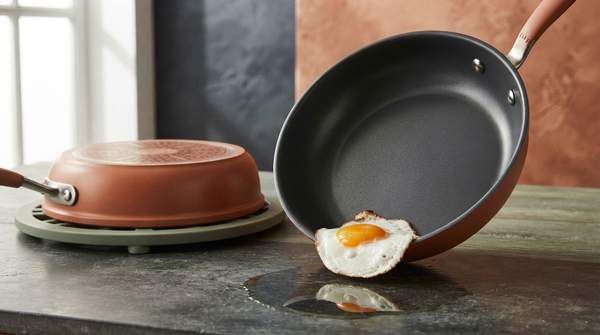
Convenience in the kitchen can sometimes come with a hidden price. Many popular products contain chemicals that can pose risks to our health. Non-stick cookware, for instance, frequently uses coatings made with per- and polyfluoroalkyl substances, better known as PFAS. When you cook with these pans, your food can become contaminated. Investing in trustworthy, eco-friendly cookware is a significant step toward a greener kitchen.
Plastics present another widespread concern. The David Suzuki Foundation advises avoiding plastic cooking utensils and cutting boards because they can leach harmful chemicals like BPA. Other sources note that when plastics and other low-quality materials are exposed to heat, they can release volatile organic compounds (VOCs). Plastic spatulas and spoons can also melt at high temperatures, breaking off into small pieces that end up in your meal. Choosing natural and non-toxic materials for utensils and food vessels is a direct way to reduce your exposure to these potentially harmful substances.
Eco-Friendly Kitchen Material Decision Framework
Selecting the right material for your kitchen depends on the task at hand. Some materials excel at high-heat cooking, while others are better suited for long-term food storage. The following framework breaks down the best sustainable options for cookware, food storage, and preparation tools, helping you make an informed choice based on safety, durability, and practical use.
| Kitchen Task | Material Option | Health & Safety Considerations | Key Benefits & Use Cases |
|---|---|---|---|
| Cookware | Cast Iron | A safe, non-toxic alternative to pans with PFAS non-stick coatings. | Extremely durable and often found at second-hand stores, making it an affordable, long-lasting choice for searing and frying. |
| Cookware | Carbon Steel | Offers the same health benefits as cast iron without the heavy weight. | A newer, lighter-weight option for non-toxic cooking that performs similarly to cast iron. |
| Cookware | Stainless Steel | Does not release toxins into the air like many non-stick coatings. | A versatile and recyclable material suitable for a wide range of cooking tasks, from boiling to sautéing. |
| Food Storage | Glass | A natural material that does not leach chemicals into food. | Helps maintain food freshness and avoids the risks associated with plastic containers. Ideal for leftovers and meal prep. |
| Food Storage | Stainless Steel | A safe, non-toxic, and durable option for holding meals, free from BPA. | A reliable and unbreakable alternative to plastic Tupperware; some brands offer medical-grade quality. |
| Utensils & Prep | Bamboo & Wood | A natural, non-toxic alternative to plastic utensils that can melt or leach chemicals. | Prevents the unpleasant taste and potential microplastic contamination associated with melting plastic spoons and spatulas. |
| Utensils & Prep | Stainless Steel | A non-leaching and durable alternative to plastic measuring cups, spoons, and funnels. | Recyclable and avoids the health risks associated with plastics like BPA. |
Choosing Your Cookware
When it comes to pots and pans, moving away from conventional non-stick surfaces is a major health win. Cast iron is one of the safest and most durable materials available. It can often be found inexpensively at second-hand stores and, with proper care, will last for generations. For those who find cast iron too heavy, carbon steel is a newer option that provides similar health benefits in a lighter form. Stainless steel is another excellent eco-friendly choice. The David Suzuki Foundation notes that it doesn’t release toxins like most non-stick coatings and is also recyclable, making it a versatile workhorse for any kitchen.
Sustainable Solutions for Food Storage
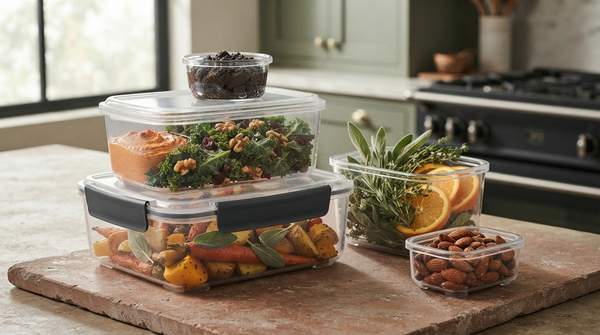
Replacing plastic food containers is another critical step. Natural materials like glass and stainless steel help preserve food freshness without the risk of leaching chemicals. Glass is an excellent choice for storing leftovers, as it doesn't absorb odors or stains and allows you to see what's inside easily. For a more durable and portable option, stainless steel food storage containers are a fantastic alternative to plastic Tupperware. Some companies even offer medical-grade stainless steel, ensuring a high standard of safety for holding your meals.
Eco-Conscious Utensils and Prep Tools
The small tools we use daily also have a significant impact. Plastic spatulas, spoons, and cutting boards can degrade over time, releasing chemicals and microplastics. Organic bamboo utensils are an essential sustainable swap, as they don't melt or impart an unpleasant taste when exposed to heat. Wood is another safe, natural option. For items like measuring cups, spoons, and funnels, the David Suzuki Foundation recommends opting for aluminum, stainless steel, ceramic, or glass instead of plastic to avoid potential chemical exposure.
Beyond Gadgets: Holistic Sustainable Kitchen Practices
A truly sustainable kitchen is built on mindful habits, not just eco-friendly products. Reducing waste is a fundamental principle. Instead of single-use plastic wrap, consider reusable alternatives like beeswax or soy wax-coated food wraps, which minimize contributions to landfills. Thoughtful meal planning and organized storage can also drastically cut down on food waste, one of the largest components of household trash.
Extending the lifespan of your kitchenware is another powerful practice. Before you discard a broken appliance, investigate whether a simple repair is possible. The David Suzuki Foundation suggests that if an item cannot be fixed, it should be recycled or repurposed. For items that are still in good working condition but no longer serve your needs, donating them to local shelters, community organizations, or thrift shops gives them a second life. These actions foster a culture of repair and reuse over replacement, reducing overall consumption and environmental impact.
Making the Switch to a Sustainable Kitchen
To create a healthier kitchen, prioritize replacing items made from plastics and non-stick coatings containing PFAS with durable alternatives like stainless steel, cast iron, glass, and bamboo. This shift not only helps protect you and your family from exposure to harmful chemicals but also encourages investment in high-quality tools that are built to last, ultimately reducing waste.
The success of this transition can be seen and felt in your daily routines. A kitchen inventory showing a reduction in plastic and non-stick items, and an increase in durable, natural material products, is a clear indicator of progress toward a safer, more sustainable home.
Sources
- Eco-Friendly Kitchen Essentials: 10 Must-Have Products for the Conscious Cook — bambu
- What are the Best Eco Friendly Kitchen Accessories? — Healthier Homes
- How to choose eco-friendly kitchen tools — David Suzuki Foundation
- 10 Sustainable Kitchen Products for an Eco-Friendly Kitchen — LEARN