For culinary travelers eager to delve into the rich and varied world of American barbecue beyond the most commonly known styles, understanding the unique characteristics of regional BBQ is essential for planning your next food-focused adventure. The United States boasts a diverse array of BBQ traditions, each defined by its signature meats, distinctive sauce profiles, specific cooking techniques, and deep historical roots.
This guide offers a comparative look at four unique regional American BBQ styles: Alabama White, Santa Maria, South Carolina Mustard, and Central Texas Post Oak. By detailing their core elements and geographic contexts, you can identify which flavor profiles and cooking traditions resonate most with your palate, enabling you to confidently choose your next destination for an authentic and memorable culinary experience.
Understanding Regional BBQ: A Traveler's Framework
A regional barbecue style is typically defined by a consistent set of repeating elements that collectively give it a unique identity, as noted by Grill Masters Club. These core components include the primary protein, the specific cooking method employed, the type of fuel or wood used for smoking, the philosophy behind its seasoning, the approach to its signature sauce, and its traditional serving customs. Recognizing these elements provides a robust framework for appreciating the nuances of any regional BBQ style you might encounter, whether it's one of the featured traditions or another local variation.
For instance, while the fundamental principle of barbecue involves long cooking over low heat, distinct regional styles apply this principle in varied ways. This ranges from the specific cuts of meat chosen to the unique flavor profiles of their signature sauces, which often reflect local agricultural history and cultural influences. By understanding these defining characteristics, culinary explorers can better identify and compare what makes each BBQ tradition special, enriching their overall travel experience and guiding their choices.
Alabama White BBQ: Tangy and Unique
Northern Alabama is home to a truly distinct barbecue tradition, primarily characterized by its unique mayonnaise-based white sauce. This tangy, often peppery sauce, which originated in 1925, is predominantly paired with chicken and pork, particularly pulled pork. It is frequently used as a marinade for chicken before grilling, as well as a finishing sauce, offering a bright, cooling counterpoint that still possesses enough punch to complement the smoky flavors of the meat, according to Grill Masters Club.
Geographically, Alabama's barbecue landscape is situated between the influences of Memphis and the Carolinas, creating a unique culinary identity. While specific wood types for Alabama White BBQ are not detailed in available descriptions, the cooking technique involves the typical long cooking over low heat associated with barbecue. This style represents a significant regional variation within the broader Southern BBQ tradition, offering a truly unique flavor profile for travelers seeking something different.
Santa Maria BBQ: California's Ranchero Tradition
Venturing to California, the Santa Maria barbecue style offers a distinct live-fire tradition rooted in Spanish ranchero culture, with origins dating back to the 1800s. The undisputed signature meat of this style is beef tri-tip, a cut from the lower chest of the cow. The preparation emphasizes the natural flavor of the meat and smoke, with a simple seasoning approach that typically includes salt, pepper, and garlic, allowing the quality of the beef to shine.
Unlike many other regional styles that rely heavily on sauce, Santa Maria BBQ does not feature a dominant sauce. Instead, the focus is squarely on grilling the beef over red oak wood, which imparts a characteristic smoky flavor that is central to the style. This minimalist approach allows the inherent taste of the beef and the unique aroma of the red oak to be the stars, making it a must-try for those who appreciate the pure essence of smoked meat without heavy embellishment.
South Carolina Mustard BBQ: The Golden Standard
South Carolina is renowned for its distinctive mustard-based barbecue sauce, affectionately known as "Carolina Gold." This iconic sauce is a defining feature of the region's barbecue, characterized by its tangy and slightly sweet profile, coupled with a pronounced mustard bite, as described by Grill Masters Club. Pork is the anchor protein for this style, with mustard sauces proving especially good for pulled pork sandwiches and smoked chicken, and even serving as a versatile glaze base.
This "Mustard Country" style reflects a unique regional flavor profile within the Carolinas, standing apart from the vinegar-based sauces found in Eastern North Carolina, as noted by Flaming Rooster BBQ. While specific cooking techniques or wood types for South Carolina Mustard BBQ are not explicitly detailed beyond the general understanding of low-and-slow barbecue, the sauce itself is the undeniable star, offering a memorable and distinct taste experience for culinary travelers.
Central Texas Post Oak BBQ: Smoke and Simplicity
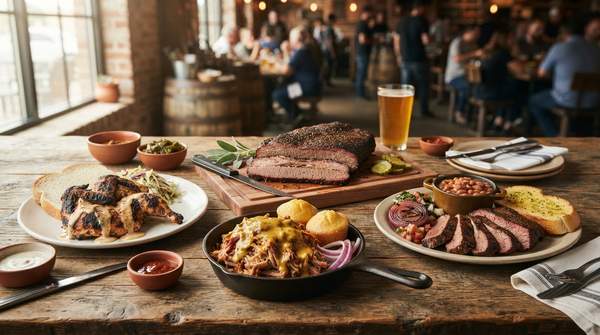
In Central Texas, barbecue is synonymous with a minimalist approach that profoundly highlights the meat and smoke. The signature meat is beef brisket, often seasoned with a simple, peppery rub. While brisket is considered the undisputed champion and a culinary obsession in Texas, other meats like sausage and ribs are also common, all prepared with the same dedication to the smoking tradition, according to Flaming Rooster BBQ. The defining fuel for this style is post oak wood, which imparts a characteristic, deep smoky flavor to the slow-smoked meats.
Central Texas BBQ often requires no sauce, allowing the rich flavor of the beef and the deep smokiness from the post oak to dominate. If sauce is offered, it's typically on the side, maintaining the emphasis on the meat itself. This style is a pilgrimage for barbecue purists who appreciate the art of slow smoking and the unadulterated taste of perfectly cooked beef, often served simply with pickles, onions, and thick Texas toast, as Sonny's BBQ describes.
Comparative Guide to Distinct Regional BBQ Styles
This table offers a side-by-side comparison of the four distinct regional American BBQ styles, highlighting their signature elements to help culinary travelers identify destinations that align with their taste preferences.
| Style Name | Signature Meat | Sauce Profile | Cooking Technique/Fuel | Geographic/Historical Context |
|---|---|---|---|---|
| Alabama White BBQ | Chicken, Pulled Pork | Tangy, mayonnaise-based white sauce, often peppery, used as marinade and finishing sauce. | Long cooking over low heat; sauce often used as marinade for chicken before grilling. | Northern Alabama; distinct regional variation between Memphis and Carolinas. |
| Santa Maria BBQ | Beef Tri-Tip | Simple seasoning (salt, pepper, garlic); relies on rub rather than heavy sauce. | Grilled over red oak wood. | California; Spanish ranchero tradition dating back to the 1800s. |
| South Carolina Mustard BBQ | Pork | Mustard-based "Carolina Gold"; tangy, slightly sweet, distinctive mustard bite. | General barbecue method (low-and-slow cooking). | South Carolina ("Mustard Country"); distinct regional flavor profile. |
| Central Texas Post Oak BBQ | Beef Brisket (also sausage, ribs) | Simple peppery rub; often no sauce needed, or sauce on the side. | Slow-smoked over post oak wood. | Central Texas; emphasis on meat and smoke. |
Plan Your Next BBQ Journey
Armed with a deeper understanding of these distinct regional American BBQ styles, you can now choose your next culinary travel destination based on the unique characteristics that most appeal to your palate. Whether you crave the tangy zest of Alabama's white sauce, the pure beef and red oak smoke of Santa Maria, the golden tang of South Carolina's mustard, or the unadulterated brisket of Central Texas, each region offers a unique and memorable experience rooted in local tradition.
Your next culinary adventure can be an itinerary that includes a specific regional BBQ experience, identified by its signature meat, sauce, and cooking method. By focusing on these defining elements, you're not just traveling; you're embarking on a flavorful journey through America's rich and diverse barbecue heritage, ensuring a truly authentic taste of regional culture.
Sources
- Definitive Guide to American BBQ Styles — Grill Masters Club
- Regional BBQ Styles in the U.S. You Should Try — Flaming Rooster BBQ
- Regional BBQ Styles Explained by Pitmasters - Sonny's BBQ