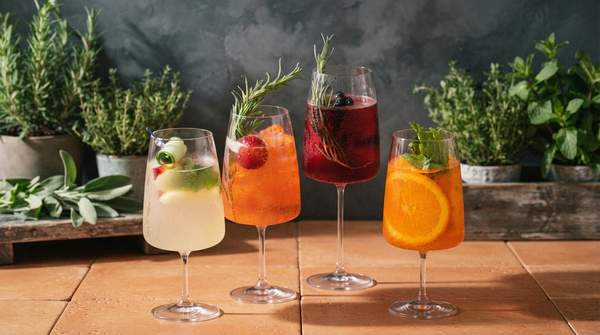
If you want a margarita, a citrus "martini," or a bittersweet spritz without the alcohol, the bottle you buy should follow the drink, not the other way around. Based on published product reviews and descriptions, three categories cover the most useful ground for a home bar: a tequila alternative built for margaritas, a versatile botanical-citrus spirit that can stand in for gin or vodka, and an Aperol-style aperitif alternative made for spritzes. Here is how each one tastes, what it mixes best with, and the stirring and building techniques that make the finished drink feel bar-worthy rather than like juice in a fancy glass.
Understanding Non-Alcoholic Spirit Approaches
Not every bottle in this category is trying to do the same job, and knowing a brand's intent is the fastest way to avoid disappointment. Some makers pursue direct replacement: their goal is that you can pour the bottle into a classic recipe and get something close to the original experience. Ritual is the clearest example in the evidence. Reviewers at Printfresh, testing its tequila alternative with rosemary-citrus syrup, fresh lime, and a salted rim, wrote that "it was everything we wanted in a margarita" and that they "would drink it in place of regular tequila any time." The same brand also makes whiskey and gin alternatives, which signals a portfolio built around substitution rather than novelty.
Other bottles take a different path. Seedlip's Grove 42 is not marketed in the evidence as a clone of any single spirit; instead, reviewers praised its versatility, noting it "would work well as a replacement for just about any spirit (tequila, gin or vodka)." That flexibility is a design choice, and it changes how you shop: a direct replacement rewards you for knowing exactly which cocktail you want, while a versatile botanical rewards experimentation. One practical caveat applies across the category: the recipe writers at Simple Goodness Sisters warn that these products "are often not a good 1:1 substitute" for alcoholic spirits, so treat recipes as starting points and adjust to taste.
Essential Non-Alcoholic Spirits for Your Bar
The three types below are drawn from the retained reviews and product descriptions, not from independent taste testing, so treat the flavor notes as reported impressions rather than verified specifications. Still, the pattern is clear and useful: each type maps to a recognizable classic cocktail family.
The tequila alternative is the most purpose-driven of the three. Reviewers detected "a subtle smokiness" and noted it "almost sipped more like mezcal," with green pepper adding an unexpected layer of complexity. That smoky edge is exactly what a margarita needs to taste like something more than sweet-and-sour citrus, and the reviewers' preferred preparation—lime, citrus-rosemary syrup, salted rim—is the drink to make with it.
The botanical-citrus option, Seedlip Grove 42, is the workhorse. Reviewers highlighted its lack of sweetness, its strong orange aroma, and its compatibility with citrus juices, ginger, chili, and cranberry. Their favorite preparation was an orange ginger "martini" with a salted chili powder rim, which they said "truly felt like a cocktail experience." If you want one bottle that covers gin-and-tonic-style drinks, vodka-style drinks, and even tequila-adjacent mixes, this is the category to buy.
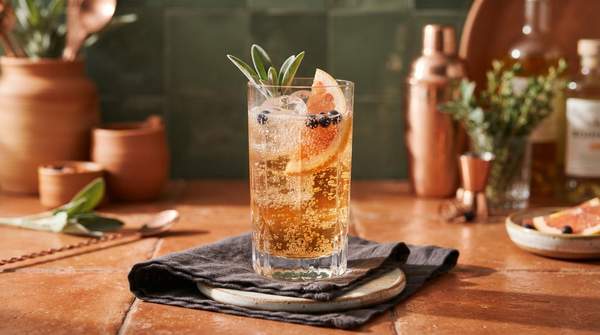
The aperitif alternative is the specialist. An Aperol-style alcohol-free bitter, paired with non-alcoholic prosecco or tonic and a splash of orange soda or juice, produces a spritz with a bright hue, bubbly texture, and bittersweet flavor that De Soi's hosting guide calls "a visual standout," served over ice with an orange wheel. This is the bottle for aperitivo hour.