Fresh herbs can elevate a dish with a burst of flavor, aroma, and color that their dried counterparts often cannot replicate. Yet, a common frustration for many home cooks is the rapid wilting of a freshly purchased bunch, sometimes before it can even be used. The key to extending the life of herbs like basil, cilantro, and rosemary lies in understanding that not all herbs are the same. By distinguishing between different types and applying the correct storage and preservation methods, you can significantly reduce waste and keep vibrant flavors on hand for weeks or even months.
Understanding Herb Types: Tender vs. Woody
The first step in proper herb storage is to identify whether you are working with a tender herb or a woody one, as their needs are quite different. According to reporting from Gardyn, this distinction dictates the best approach for short-term preservation and is the foundation for keeping them fresh.
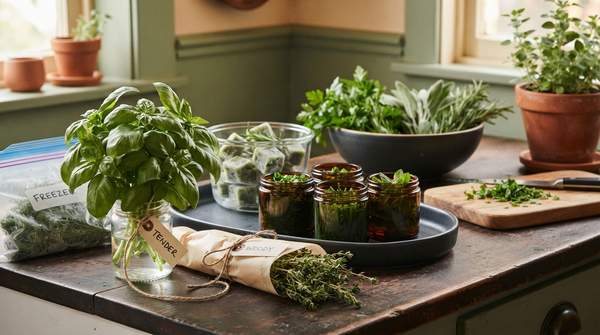
Tender herbs, which include popular varieties like basil, cilantro, parsley, and mint, are characterized by their soft, pliable stems and delicate leaves. Most of these herbs are best treated like a bouquet of fresh-cut flowers. For cilantro and Italian parsley, this means trimming the ends of the stems and placing the bunch upright in a jar with about an inch of water. Loosely covering the leaves with a plastic bag and storing the jar in the refrigerator creates a humid environment that prevents wilting. By changing the water every two to three days, these herbs can remain fresh for two to three weeks.
Basil is the most notable exception among tender herbs. It is highly sensitive to cold, and refrigerator temperatures can cause cellular damage that turns its vibrant green leaves black within a day or two. To avoid this, basil should always be stored at room temperature, using the same bouquet method: stems in a jar of water, away from direct sunlight. With water changes every couple of days, a bunch of basil can last for one to two weeks on your countertop.
Woody herbs, also known as hardy herbs, include rosemary, thyme, and sage. Their tough, woody stems make them more resilient than their tender counterparts. The best way to store these is to wrap the unwashed sprigs in a slightly damp paper towel. Place the wrapped bundle inside a sealed container or a zip-top bag and store it in the refrigerator. This method provides just enough moisture to keep the herbs from drying out without promoting mold, and can keep them fresh for two to four weeks.