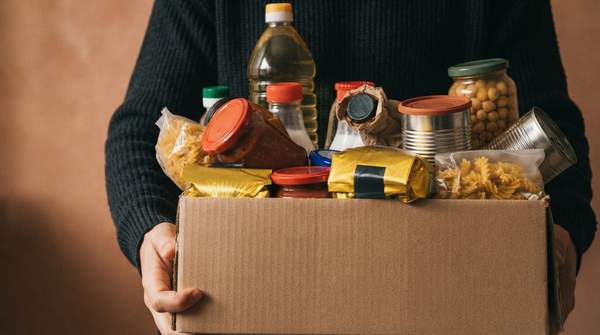
When we consider donating to food banks, our minds often turn to the most obvious staples like canned vegetables or pasta. While these items are always welcome and form the backbone of many food drives, there's a crucial category of pantry essentials that are frequently overlooked by donors. These less common, shelf-stable items make a profound difference in the nutritional value and culinary versatility of meals for recipients, transforming basic ingredients into balanced, flavorful, and comforting dishes. By thoughtfully selecting these impactful staples, home cooks can significantly enhance the quality of food bank provisions, empowering families to create truly satisfying meals.
Introduction: Beyond the Basics – Why Overlooked Staples Matter
Donating food is a powerful act of community support, but its impact can be amplified by understanding what truly transforms basic ingredients into nourishing and enjoyable meals. Food banks consistently seek items that offer strong nutrition, shelf stability, and familiar flavors, as highlighted by the Foodbank of Southeastern Virginia and the Eastern Shore. While proteins, whole grains, and low-sugar produce are indeed top priorities, it's the "cooking basics" and "specialty foods" that often go unconsidered by donors, yet prove vital for making meals palatable and nutritious. These overlooked items are not just additions; they are foundational elements that empower recipients to cook diverse and enjoyable dishes, moving beyond simple sustenance to truly satisfying culinary experiences that taste like home.Cooking Oils: The Foundation of Flavor and Healthy Fats
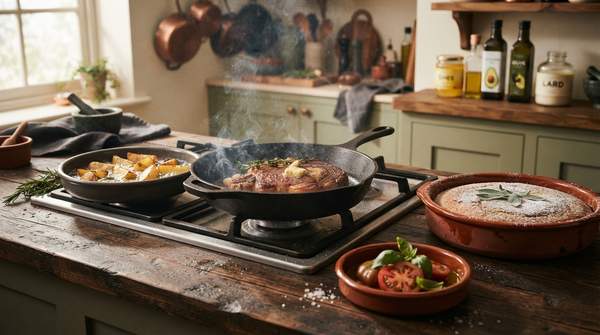
Among the most impactful yet frequently overlooked donations are cooking oils, such as olive oil. While food banks often receive an abundance of plain ingredients like rice, pasta, and various canned goods, they frequently lack the essential components that enable proper cooking and flavor development, according to Second Harvest of the Greater Valley. Cooking oils provide healthy fats, which are crucial for a balanced diet and can significantly enhance the absorption of fat-soluble vitamins from other foods, boosting the overall nutritional intake of a meal. From a culinary perspective, oil is fundamental for a vast array of cooking methods—sautéing vegetables, roasting proteins, creating dressings, or even simply adding richness to a basic soup. Feeding America specifically notes that specialty foods like olive oil can be incredibly helpful, especially because they are shelf-stable and do not require refrigeration. Donors often focus on the main ingredients, forgetting that the medium in which food is cooked is just as essential for transforming raw components into a delicious, nutritious meal.Spices and Condiments: Transforming Meals from Bland to Balanced
Imagine preparing a meal with only plain ingredients—no salt, no pepper, no seasoning whatsoever. This is often the reality for food bank recipients who receive basic staples but lack the spices and condiments that make meals enjoyable and culturally relevant. Second Harvest of the Greater Valley emphasizes that essentials like salt, pepper, sugar, and other spices, along with condiments such as ketchup or hot sauce, can "make a world of difference" in a family's kitchen. These items are crucial for enhancing the palatability of healthy foods, encouraging better nutritional intake by making meals more appealing and less monotonous. They offer immense culinary versatility, allowing families to season dishes to their taste, experiment with flavors, and transform simple ingredients into comforting, home-cooked meals that reflect their preferences. These "cooking essentials" are consistently in short supply, making them an incredibly valuable and thoughtful donation that directly impacts the enjoyment and nutritional quality of food bank provisions.
Peanut Butter: A Powerhouse of Protein and Versatility
Peanut butter stands out as an incredibly versatile and nutritionally dense item that food banks consistently need, yet it's often not the first thing donors think to grab. It is a great source of protein and healthy fats, contributing significantly to strong nutrition for individuals and families, especially children. Second Harvest of the Greater Valley identifies peanut butter as an essential item often in short supply, providing much-needed nutrition and variety to diets. Its inherent shelf stability and widespread appeal across age groups make it an excellent donation. From a culinary standpoint, peanut butter's uses extend far beyond the classic sandwich; it can be stirred into oatmeal for a protein boost, used as a dip for fruits or vegetables, incorporated into savory sauces for Asian-inspired dishes, or even used in baking. This flexibility ensures that recipients can integrate it into various meals, offering a satisfying and energy-rich food option that is both familiar and comforting.
Whole Grains: Essential for Sustained Energy and Fiber
While pasta and rice are common and appreciated donations, focusing on whole-grain varieties can significantly boost the nutritional impact for recipients. The Foodbank of Southeastern Virginia and the Eastern Shore lists whole grains as a top priority for donations due to their strong nutritional benefits. Unlike refined grains, whole grains such as brown rice, whole-wheat pasta, or oats retain their bran and germ, which are packed with fiber, vitamins, and minerals. These components provide sustained energy, helping individuals feel fuller for longer and avoiding the rapid blood sugar spikes associated with refined carbohydrates. The fiber content also supports digestive health, contributing to a more comprehensive and balanced diet. Prioritizing whole-grain options ensures that donations offer maximum nutritional value, supporting the long-term health and well-being of families relying on food banks for their meals.
Making Your Donation Count: Practical Tips for Impactful Giving
To ensure your thoughtful donations of these often-overlooked pantry staples are as impactful as possible, consider a few practical guidelines. Always prioritize shelf-stable items that do not require refrigeration, as perishable foods like fresh produce, dairy, or meat can spoil easily, and food banks may lack the necessary storage space, according to Feeding America. It's crucial to check expiration dates carefully; only donate food that has not yet reached its "sell-by" date. A good rule of thumb, as suggested by Feeding America, is to think about what you would be comfortable serving your own family. Second Harvest of the Greater Valley advises avoiding glass containers, which can break easily during transport or handling, posing a safety risk. Opt for items in cans, plastic jars, or sturdy boxes. By selecting these impactful, shelf-stable pantry staples and adhering to these practical tips, you provide immediate, tangible relief and significantly enhance the nutritional well-being and culinary options for families relying on food banks. Your mindful choices truly make a difference in transforming basic provisions into nourishing, enjoyable meals.