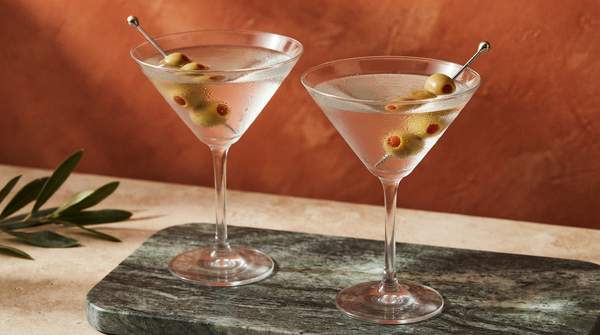
Long before she taught America how to master French cooking, Julia Child mastered the art of the cocktail hour, a custom centered around her favorite drink: the Reverse Martini. This isn't the bracing, gin-heavy martini many are familiar with. Instead, it’s a sophisticated, vermouth-forward aperitif with a simple ratio of five parts dry vermouth to one part gin. The result, as described by bartender Ben Ward in a piece for NYT Cooking, is a "great, crisp summer drink" that is lighter and more aromatic, designed to be savored before a meal rather than overpower it.
The drink was a specialty of Julia's husband, Paul Child, who took charge of the beverages while Julia prepared what their long-time friend Anne Willan called "interim nibbles." This division of labor was central to their pre-dinner ritual, a tradition Willan recalled fondly. "It’s a nice custom to have cocktails," she noted, explaining that in those days, wine was reserved for dinner, making a pre-meal cocktail a distinct and cherished event.
How to Make Julia Child's Reverse Martini: A Step-by-Step Guide
Recreating the Childs' signature cocktail is a straightforward process that prioritizes balance and chill. The key is adhering to the specific ratio and using a stirring technique to achieve the perfect temperature and dilution without bruising the spirits.
- Chill Your Glassware
A proper martini should be served ice-cold. Place your cocktail glass in the freezer for at least 15 minutes before you begin mixing. According to an article in Taste of Home, the drink simply wouldn't be the same if served anywhere close to room temperature. - Measure the Ingredients
The defining feature of this cocktail is its "reverse" proportion. In a mixing glass, combine five parts French dry vermouth with one part gin. While the Childs were known to favor Noilly Prat vermouth, any high-quality dry vermouth will suffice. - Stir with Ice
Fill the mixing glass two-thirds full with ice. Stir the vermouth and gin mixture gently but thoroughly for about 20 to 30 seconds. This chills the liquid perfectly while providing just enough dilution to soften the alcohol's edge. NYT Cooking's recipe specifies stirring, the classic method for a spirit-only cocktail, to maintain a silky texture. - Strain and Garnish
Strain the chilled liquid into your prepared cocktail glass. For the final, essential touch, take a fresh lemon peel and twist it over the surface of the drink to release its fragrant oils. Drop the twist into the glass as a garnish. This final step provides what Anne Willan described as a "tantalizing hint of lemon zest."
The Aperitif Tradition: Why More Vermouth?
The Reverse Martini's composition is deeply rooted in European drinking customs. As Jonathan Miles noted for NYT Cooking, the drink is "much closer in spirit to the way dry vermouth is consumed in Europe — as a solo aperitif, rather than a meek cocktail modifier." In France and Italy, aromatized wines like vermouth are often enjoyed on their own over ice before a meal to stimulate the appetite.
The Childs' adoption of this style reflected their time in France and a different approach to pre-dinner drinking. "I don’t think people drink cocktails as much anymore," Anne Willan observed. "People drank alcoholic drinks then. We didn’t have easy wine around. Wine was for dinner. You’d ask people over for drinks before dinner." Paul Child's vermouth-heavy martini was perfectly suited for this purpose, offering a flavorful, lower-alcohol option that prepared the palate for the meal to come without overwhelming it.
A Lighter, Crisper Profile
By flipping the classic martini ratio, the Reverse Martini achieves a completely different character. Where a traditional martini is a bold, spirit-forward cocktail dominated by the botanical notes of gin, the Reverse Martini is softer, more aromatic, and herbaceous. The vermouth takes center stage, its complex blend of wine and botanicals creating a drink that is both refreshing and nuanced.
This lighter profile makes it an exceptionally versatile pre-dinner drink. One commenter on the NYT Cooking recipe noted it is "Lighter than a full martini. Perhaps a better choice at an early cocktail party." This quality prevents palate fatigue, ensuring that the flavors of the subsequent dinner can be fully appreciated. It is a cocktail designed for conversation and anticipation, not just for effect.
Embrace the Aperitif: Your Next Cocktail Hour
To truly appreciate Julia Child's favorite cocktail is to embrace the ritual it represents. Adopting the Reverse Martini for your own gatherings is a way to offer a sophisticated, lighter alternative for pre-dinner drinks, appreciating its historical context and vermouth-forward balance. It revives the "nice custom" that the Childs so enjoyed: a dedicated moment to unwind and connect before the main event of the meal.
Success can be measured when guests comment on the drink's refreshing taste and suitability before a meal, or a personal preference for a less gin-dominant martini emerges. More than just a recipe, the Reverse Martini is an invitation to slow down and savor the simple, elegant pleasure of a well-made drink in good company.
Sources
- Upside-Down Martini Recipe • 4★ — NYT Cooking
- This Was Julia Child’s Favorite Cocktail and I Totally See Why — Taste of Home