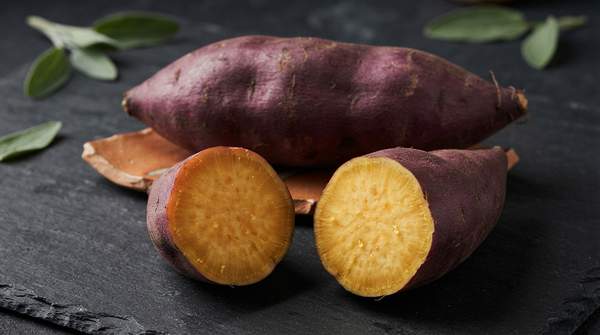
For those managing blood sugar, the way a sweet potato is cooked can be more important than the food itself. While often celebrated as a healthy carbohydrate, a sweet potato’s impact on blood glucose levels changes dramatically depending on its preparation. Evidence from nutritional studies shows that boiling sweet potatoes results in a significantly lower glycemic index, making it a better choice for blood sugar control, whereas baking or roasting can cause a sharp spike comparable to high-sugar foods.
Boiling: The Lowest Glycemic Impact
Boiling is the most favorable cooking method for minimizing a sweet potato's effect on blood sugar. Boiled sweet potatoes have a glycemic index (GI) that falls into the low-to-medium range, with reported values between 46 and 63. The glycemic index is a scale that measures how quickly a food causes blood sugar to rise; foods rated 50 or less are considered low, 51 to 69 are medium, and 70 or above are high. A study focusing on sweet potato cultivars commonly consumed in Jamaica found that tubers processed by boiling consistently had the lowest glycemic index.
The science behind this effect relates to how water and heat interact with the vegetable's starch. The boiling process and its relatively lower cooking temperatures help preserve more of the sweet potato's natural starch structure. This includes resistant starch, a type of fiber that is not broken down in the small intestine and therefore does not contribute to a rise in blood glucose. This structural preservation means the carbohydrates are broken down and absorbed more slowly, leading to a more gradual and manageable increase in blood sugar.
Baking and Roasting: Higher Glycemic Response
In stark contrast to boiling, baking and roasting transform sweet potatoes into a high-glycemic food. A baked sweet potato can have a GI as high as 94, which is a significant jump that can cause a rapid increase in blood sugar levels. Roasted sweet potatoes also have a high glycemic index, with one source placing them in an intermediate category with a GI of 82. A study on Jamaican sweet potato varieties confirmed that roasting and baking resulted in significantly higher glycemic indices compared to boiling.
The high, dry heat of an oven is responsible for this change. According to research from the U.S. Department of Agriculture, heating breaks down the starch granules within the sweet potato. This process allows the starches, amylopectin and amylose, to become more easily digested by enzymes in the body. When these complex carbohydrates are broken down into more simple, rapidly digestible forms, the glucose is absorbed into the bloodstream much more quickly, causing the pronounced spike in blood sugar that is less than ideal for glycemic control.
The Science of Starch: How Cooking Transforms Sweet Potatoes
The glycemic index of any carbohydrate-rich food is not a fixed number; it is influenced by several factors, including the structure of its starch, how processed it is, and the cooking method used. For sweet potatoes, the cooking method is a particularly powerful variable. The fundamental change occurs in the starch granules, which hold the vegetable's carbohydrates.
When a sweet potato is boiled, the starches swell in the presence of water but do not break down as completely. This alters their chemical structure in a way that allows digestive enzymes to process them more steadily. Conversely, the intense dry heat of baking at high temperatures, such as 163°C for an hour, causes a more profound breakdown of these starches. This makes the carbohydrates far more accessible and quick to digest, converting the slow-release energy of a boiled sweet potato into the fast-acting sugar rush of a baked one.
Sweet Potato Cooking Methods: GI Comparison
To make an informed choice for blood sugar management, it is helpful to see the glycemic impact of each cooking method side-by-side. The glycemic index (GI) scale classifies foods as low (50 or less), medium (51-69), or high (70 and above). The following table synthesizes findings on how common preparation techniques alter the GI of sweet potatoes.
| Cooking Method | Glycemic Index (GI) Value/Range | Impact on Blood Sugar |
|---|---|---|
| Boiled | 46–63 (Low to Medium) | Results in a lower and more gradual rise in blood sugar. |
| Roasted | ~82 (High) | Leads to a high and quicker increase in blood sugar. |
| Baked | ~94 (High) | Causes a very high and rapid spike in blood sugar. |
Making Your Sweet Potato Choice for Blood Sugar Control
The evidence clearly indicates that for individuals aiming to manage their blood sugar, the best preparation method matters immensely. To minimize the impact on blood sugar, prioritize boiling sweet potatoes over baking or roasting. This simple choice can transform a sweet potato from a high-glycemic food that causes a sharp glucose spike to a medium-glycemic food that provides a more sustained and gentle release of energy. While sweet potatoes offer valuable nutrients like beta-carotene and fiber regardless of how they are cooked, boiling is the superior method for preserving their blood-sugar-friendly qualities.
Because individual responses to food can vary, a practical step is to monitor personal blood glucose response after consuming sweet potatoes prepared with different methods to confirm their impact. This allows for personalized dietary adjustments based on direct feedback, ensuring that this nutritious vegetable can be enjoyed in a way that aligns with your health goals.
Sources
- Relationship between Processing Method and the Glycemic Indices of Ten Sweet Potato… — PMC
- Sweet Potato Glycemic Index: Boiled, Roasted, Baked, and Fried — Healthline
- The Glycemic Index for Sweet Potatoes — EverydayHealth.com
- Publication : USDA ARS
- Best Fruits & Foods for Diabetics: Evidence-Based Guide — Som Medical Practice