Tastes Good Magazine
RecipesRestaurantsDrinksTravelHow-ToCultureShopping
Trending
WellnessGastronomyMeal PrepHealthy EatingWeeknight MealsUpscale DiningAlcohol ConsumptionFood Trends
Tastes Good Magazine—Exploring modern food culture, one bite at a time.
RecipesRestaurantsDrinksTravelHow-To|WritersContactPrivacyTerms

© 2026 Tastes Good Magazine. All rights reserved.

  1. Home
  2. /Travel
  3. /Top 5 Immersive Food Tours Around the Globe for Culinary Travel
Travel

Top 5 Immersive Food Tours Around the Globe for Culinary Travel

Last year, global food tour bookings exploded by an astonishing 57%, according to TripAdvisor .

SV
Santiago Vargas

July 15, 2026 · 5 min read

A diverse group of travelers enjoying authentic street food at a vibrant global market during a culinary tour.

Last year, global food tour bookings exploded by an astonishing 57%, according to TripAdvisor. This isn't just a trend; it's a seismic shift in how we crave local cultures, pulling us deeper into the heart of destinations through their kitchens.

Yet, this insatiable demand for authentic culinary experiences inadvertently creates an unsustainable economic model for the very local operators who deliver them. These small businesses are crushed by high costs and hefty 20–30% online travel agency (OTA) commissions, threatening the genuine immersion travelers seek. It's a stark tension: our enthusiasm clashing with operator viability.

This growth will likely consolidate the market around established destinations and larger operators, who can absorb these costs better. Smaller, independent ventures, the very soul of authentic food tourism, could be squeezed out, prioritizing volume over those unique, local connections we all chase.

1. Rome: Europe's Culinary Colossus

Best for: History buffs and classic Italian food fanatics seeking deep cultural immersion.

Rome isn't just a city; it's the global food tour champion, according to TripAdvisor. Its ancient streets are a vibrant tapestry of flavors, from timeless pasta to sizzling street food. Exploring Rome's bustling markets and hidden trattorias isn't just eating; it's stepping directly into its culinary past, offering an unparalleled historical context to every bite.

Strengths: Unmatched historical context, diverse food offerings, high tour availability. | Limitations: Can be crowded, some tours cater to mass tourism. | Price: Variable, depends on length and inclusions.

2. Florence: Tuscan Triumphs and Artisan Wonders

Best for: Art lovers and foodies keen on regional Italian cuisine and artisan products.

Florence, TripAdvisor's second-ranked food city, is a Tuscan dream. Known for rich wines, exquisite olive oils, and cured meats, its food tours spotlight artisanal producers and family-run eateries. Here, the focus on local ingredients and intimate experiences means you're not just tasting; you're connecting with generations of culinary craft.
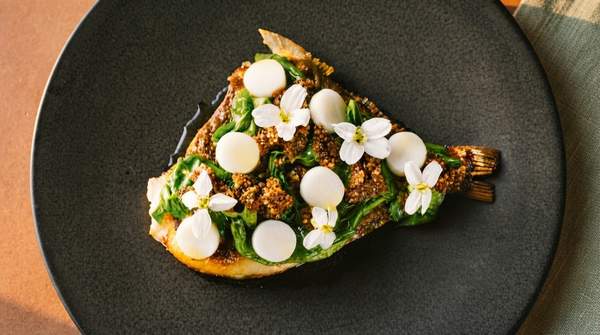
Strengths: Strong emphasis on local ingredients, intimate culinary experiences, beautiful setting. | Limitations: Fewer street food options compared to larger cities. | Price: Variable, often includes tastings and cooking demonstrations.

3. Paris: Elegance on a Plate

Best for: Gourmands seeking high-end patisseries, classic French cuisine, and market explorations.

Paris, a top-three global food city by TripAdvisor's count, offers an undeniably elegant culinary journey. From delicate pastries to robust bistro dishes, tours often dive into specific neighborhoods, revealing their unique gastronomic character. It's a world-class scene where every bite feels like a curated experience, even if it comes with a higher price tag.

Strengths: World-class culinary scene, iconic food markets, diverse tour themes. | Limitations: Can be more expensive, some tours may feel less 'local'. | Price: Moderate to high, reflecting quality and exclusivity.

4. Quebec City: North America's Next Big Bite

Best for: Adventurous eaters looking for unique North American flavors with a European twist.

Quebec City isn't just emerging; it's *the* foodie destination to watch, according to TripAdvisor. Blending French-Canadian traditions with modern gastronomy, it offers a fresh, innovative perspective on North American cuisine. Less crowded than European hubs, it promises unique experiences and a charming historic setting, proving that culinary innovation thrives beyond the usual suspects.

Strengths: Innovative culinary scene, charming historic setting, less crowded than European hubs. | Limitations: Fewer tour operators than established capitals. | Price: Moderate, good value for unique experiences.

5. Italy & France: Europe's Culinary Powerhouses

Italy and France aren't just popular; they're Europe's densest markets for food tour operators, reports AtlasPerk. This concentration isn't surprising, given Europe's 32.18% share of the global culinary tourism market. Italy's rich regional diversity means a vast array of experiences, while France offers a comprehensive journey from vineyards to bistros, often integrating its world-renowned wine culture. Together, they form the bedrock of Europe's gastronomic appeal, offering both incredible quality and variety, though quality can vary widely.

Italy Strengths: Rich culinary diversity, strong local food culture, high concentration of experienced operators. | Italy Limitations: Quality can vary widely between regions and operators. | Italy Price: Variable, depends on region and tour type.

France Strengths: Exceptional quality and variety, strong emphasis on regional specialties, established culinary reputation. | France Limitations: Language barriers outside major cities, can be perceived as less accessible. | France Price: Variable, often higher for specialized wine and gourmet tours.

Why Food Tours Offer Unmatched Immersion

AspectFood ToursOther Travel Methods
Cultural DepthDirect interaction with local vendors; insights into food history and traditions.Observation from a distance; limited personal engagement.
Local InteractionPersonal connections with chefs, artisans, and market stall owners.Often confined to tourist-centric areas; less direct local contact.
Culinary FocusExploration of specific dishes, ingredients, and cooking techniques.General dining experiences; less emphasis on gastronomic learning.
AuthenticityAccess to hidden gems and off-the-beaten-path eateries, fostering immersion in local culture and connection to typical gastronomy, according to Journals Sagepub.Reliance on guidebooks or popular recommendations; risk of tourist traps.

The true magic of food tours? They're an intimate, authentic gateway to a destination's soul. They don't just feed you; they connect you, offering a deeper cultural understanding than independent dining ever could.

The Hidden Costs of Culinary Exploration

That 57% global surge in food tour bookings, while exciting, masks a brutal truth for local operators. The food tour economy is a minefield of vendor-relationship moats, per-person tasting costs, and those crippling 20–30% OTA commissions, as AtlasPerk reveals. Travelers seeking 'immersion' are unknowingly fueling an economic model that starves the very independent businesses they cherish.

This financial squeeze means many independent food tour operators struggle with razor-thin margins, forced to prioritize volume over the unique, local connections that define their appeal. The high commission rates effectively subsidize booking platforms, not the local providers. By 2027, smaller, independent operators not directly engaging customers may see a further 10-15% revenue erosion if commission structures remain unchanged, pushing them towards larger, more standardized operations.

Your Culinary Journey: FAQs

What were the most unique culinary travel experiences in 2025?

Beyond traditional city tours, 2026 will see a rise in specialized thematic tours, like those focusing solely on truffles or olive oil, or historical culinary journeys recreating ancient recipes. Exploring emerging foodie destinations like Quebec City also offers a fresh perspective.

How can I find authentic food tours worldwide?

To find truly authentic food tours, bypass major online booking platforms and seek out smaller, independent operators directly. These local businesses often control their offerings, providing personalized, community-driven experiences where more of your payment directly supports the local economy.

What should I look for in an immersive food tour?

An immersive food tour prioritizes direct interaction with local vendors and artisans, small group sizes, and a narrative explaining the cultural and historical significance of the food. Look for tours venturing beyond typical tourist areas, offering hands-on experiences or visits to local markets and family-run establishments.

Related Coverage from Travel

  • Travelers' Choices Driven by Culinary Tourism Trends
  • Discover Pittsburgh's Best Drinking Spots
  • What Is a Cocktail and Why Does Its Origin Still Matter?

Tags

Food ToursCulinary TravelTravelFoodieDestinationsLocal CultureAuthentic Experiences
SV

Santiago Vargas

Travel & Drinks Correspondent

As the Travel & Drinks Correspondent for Tastes Good Magazine, Santiago Vargas covers global city food guides, street food vendor profiles, and the craft of spirits. He approaches his stories with an immersive focus on local food cultures, bringing readers authentic cocktail recipes and on-the-ground festival coverage.

More from Travel

A lively interior of a Korean convenience store in Los Angeles, buzzing with K-pop energy and diverse customers exploring shelves of snacks.

Why Millions Are Trying Korean Food Instead of Their Usual Go-Tos

Stepping into Mokja in Highland Park, Los Angeles, felt like a teleportation straight to a Seoul convenience store, vibrant and buzzing with K-pop energy.

Santiago Vargas· Aug 26
A lively, diverse crowd enjoying food and drinks at a vibrant outdoor food festival under warm string lights at dusk.

Culinary tourism surges as food festivals draw crowds

The global culinary tourism market is exploding!

Santiago Vargas· Aug 17
Elegant guests on a private oyster farm tour, learning about harvesting with a farmer, showcasing a luxury culinary experience by the sea.

Oyster Farm Tours Across US Culinary Experiences

A private oyster farm tour for up to 12 guests can command nearly $2,000, transforming a hands-on culinary experience into a luxury event.

Santiago Vargas· Aug 15
A lively outdoor food market scene in a British town, showcasing fresh produce, artisanal foods, and happy people enjoying local culinary experiences.

Why Foodies Are Choosing Staycations Over Far-Flung Culinary Tours

Nearly three-quarters of Britons (71%) now declare dining a key part of their 'foodie staycation', fundamentally shifting the purpose of domestic holidays in 2026.

Santiago Vargas· Aug 7

Trending Now

1
A vast mountain of plastic pantry packaging overflowing from a shelf, symbolizing the environmental impact of consumer goods.

What are the environmental footprints of pantry packaging materials?

Pantry
2
Cozy autumn kitchen scene with a pot of chili and a prepared freezer meal, highlighting the ease of delicious fall dinners.

3 Smart Freezer Meals for Delicious Fall Dinners

Recipes
3
New Jersey bar patrons celebrating with to-go cocktails at dusk, signifying the permanent allowance of off-premise alcohol sales.

New Jersey Governor Signs Permanent To-Go Alcohol Law

Drinks
4
Elegant interior of Smith & Jones Steakhouse in Sarasota, featuring a gourmet steak dinner setting with a glass of red wine.

Smith & Jones Opens First Sarasota Location, New Upscale Dining

Restaurants
5
A modern bar with an untouched cocktail, symbolizing the decline in alcohol consumption among Americans.

Why Americans Now See Drinking as Unhealthy: A Record High

Drinks
6
A decadent, slightly burnt Basque cheesecake with a creamy interior, presented on a rustic table, symbolizing its global culinary fame.

Basque cheesecake recipe sparks global viral popularity

Recipes