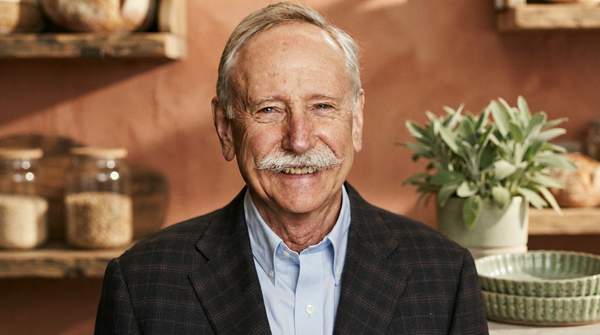
For those seeking a straightforward, evidence-based approach to nutrition, the Healthy Eating Plate model provides a clear visual guide for composing balanced meals. Developed with the involvement of Walter Willett, a prominent Harvard researcher and Chair of Nutrition at the Harvard School of Public Health, this framework simplifies dietary choices by focusing on proportions. The model depicts an ideal meal plate composed of half colorful vegetables, one-quarter whole grains, and one-quarter healthy protein, offering a modern alternative to previous government guidelines.
Structuring Your Plate: Willett's Healthy Eating Framework
The Healthy Eating Plate is designed as a user-friendly graphic to help people make better decisions about their diet. It moves away from counting calories and instead emphasizes the quality and relative quantity of different food groups in a single meal. This approach is based on current nutrition research and provides a more detailed and updated version of older food pyramids.
The Core Proportions
The framework's primary recommendation is to visually divide your plate at every meal according to these simple, evidence-based proportions:
- Fill half your plate with colorful vegetables. This large portion emphasizes the importance of nutrient-dense, plant-based foods as the foundation of a meal.
- Fill one-quarter of your plate with whole grains. This specifies the type of carbohydrate, prioritizing unprocessed sources over the refined grains that were once at the base of traditional food pyramids.
- Fill the remaining quarter with healthy protein. This category encourages lean and plant-based protein sources while suggesting limits on others, such as red meat.
In addition to the plate itself, the model advises using healthy oils, like olive oil, and drinking water, while avoiding sugary beverages. This comprehensive view of a meal contrasts with older models that often grouped all fats together or failed to provide clear guidance on beverages.
Core Principles Behind Willett's Dietary Advice
The Healthy Eating Plate is the visual expression of a broader dietary philosophy that prioritizes whole, plant-based foods. In an interview with the Harvard T.H. Chan School of Public Health, Willett recommended a focus on whole grains, fruits, and vegetables as central to a healthy diet. He also identified nuts, legumes, peanuts, and soy foods as other healthy options. While modest amounts of animal protein can be part of a healthy eating pattern, the overall emphasis is on plants.
This approach also re-evaluates the role of fats. Instead of a low-fat message, Willett's principles distinguish between different types of fats, encouraging the consumption of healthy ones found in foods like nuts and olive oil. This is a key departure from guidelines that created a general fear of fat without considering its source or health benefits. The overall dietary pattern Willett recommends is consistent with a Mediterranean Diet, which is known for its inclusion of healthy fats and plant foods.