
All Stories

Tieman's Fusion Coffee: Low-Acid Energy for Health-Conscious Drinkers
For many health-conscious individuals, the search for the best coffee blends often involves a trade-off between energy and comfort. Standard coffees can be harsh on the digestive system, leading to acid reflux and jitter…
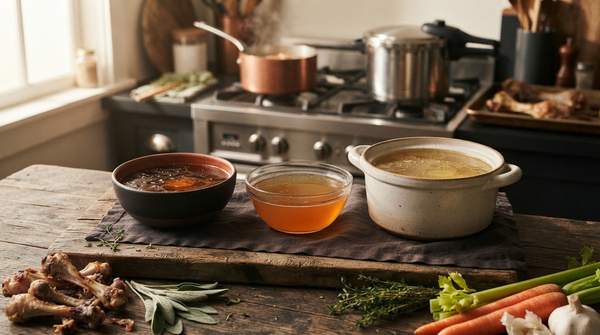
The Science of Stock: Why Simmering, Pressure Cooking, and Roasting Produce Different Results
Stock making is a controlled chemistry experiment where the chosen method—simmering, pressure cooking, or roasting—dictates the final results in flavor, body, and clarity. Understanding the scientific principles behind each technique allows you to intentionally create the ideal stock for any dish.
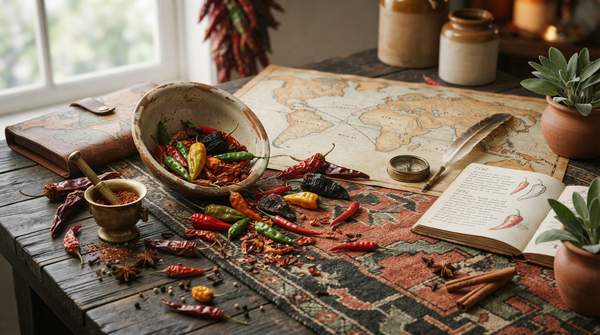
How Chili Peppers Conquered the World: A Timeline of the 1500s Spice Migration
The chili pepper, originating in the Americas, rapidly spread across five continents within a century, thanks to natural dispersal by birds and subsequent human efforts by explorers and traders. Its journey from a wild fruit to a global staple highlights the interconnectedness of historical trade and culinary evolution.
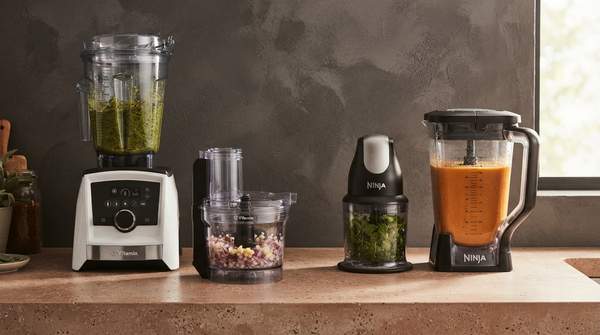
Blender or Food Processor First? The Tool Decision That Shapes Your Plant-Based Kitchen
For plant-based kitchens, the first major tool decision is between a high-speed blender for smooth creations and a food processor for chopping and prep. Prioritizing based on your cooking style—smoothies and sauces versus batch vegetable prep—will shape your kitchen's efficiency.

Complement or Contrast: A Simple Framework for Pairing Non-Alcoholic Drinks with Any Meal
Choosing a non-alcoholic drink that genuinely elevates a meal comes down to one question: does the dish need a mirror or a counterweight? Start with the flavor profile of the food—not the drink—identify whether the meal leans sweet, salty, rich, or acidic, and then pick a beverage that either complements that profile or contrasts with it.

A Wicked Kitty Coffee Co. Case Study: Real Results From Their Animal Rescue Partnerships
Wicked Kitty Coffee Co. stands out in the mission-driven coffee market by transparently partnering with animal rescues, specifically focusing on the often-overlooked black cats and dogs. This case study highlights how their business model delivers real results for animal welfare while meeting consumer demand for ethical products.
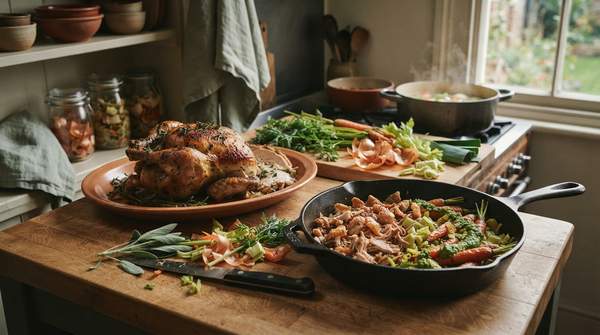
Nose-to-Tail and Root-to-Stem Cooking: A Home Cook's Guide to Using What You Toss
Learn the principles of nose-to-tail and root-to-stem cooking to reduce food waste and save money by utilizing edible ingredient scraps. Discover practical tips for safely incorporating bones, stems, and leaves into delicious dishes.
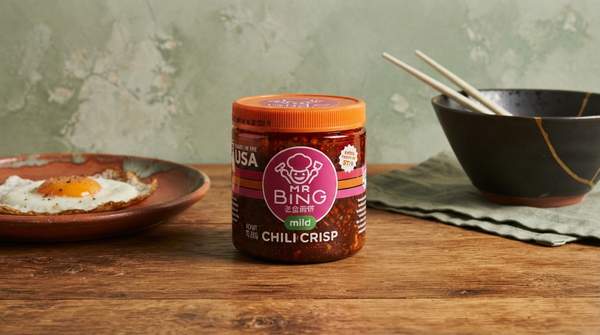
Fish Sauce vs. Chili Crisp: The Two Pantry Staples That Rescue Bland Weeknight Dinners
Fish sauce and chili crisp are two versatile, shelf-stable pantry staples that can rescue bland weeknight dinners. This guide compares their unique flavor profiles and practical applications to help you elevate everyday meals.
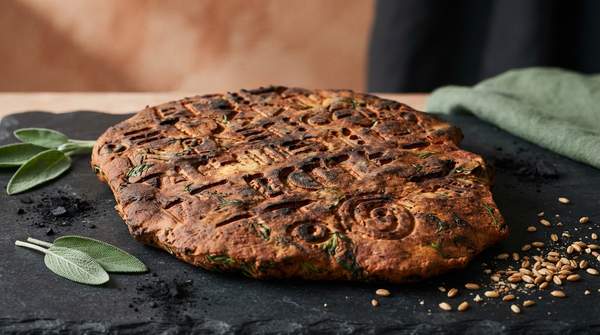
From Stone Tablets to Bills of Fare: How the Restaurant Menu Evolved Over Three Millennia
The restaurant menu has evolved over three millennia, from ancient Assyrian banquet records and functional Chinese lists to the modern French-influenced document that reflects societal values and class aspirations. This evolution reveals the menu as a dynamic cultural artifact, not just a simple list of dishes.
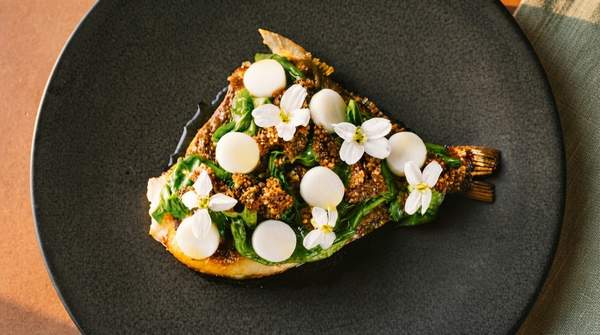
Where to Eat Your Way Through New South Wales: A Region-by-Region Guide for Food-Loving Travelers
Plan a food-focused trip to New South Wales by exploring its distinct culinary regions, from Sydney's global dining scene to the Hunter Valley's wine country, Byron Bay's coastal flavors, and the Southern Highlands' produce-driven destinations.

Why Southeast Cafes Are Switching to FB Roasters as Their Wholesale Coffee Supplier
Southeast cafes are increasingly switching to small-batch, local roasters like FB Roasters as specialty coffee consumption rises. This shift provides benefits such as superior freshness, unique flavors, and a partnership approach compared to large commercial suppliers.

Why You Crave What You Crave—and How to Choose Your Response
Food cravings are complex, stemming from biological, psychological, and habitual factors, not just a lack of willpower. Understanding these triggers allows you to choose effective responses rather than succumbing to urges.

PTFE, Ceramic, or Seasoned Metal: Which Non-Stick Pan Fits How You Cook
Choosing the right non-stick pan involves understanding the distinct trade-offs between PTFE, ceramic, and seasoned metal cookware. Each option offers different benefits regarding performance, safety, durability, and maintenance, catering to various cooking styles and priorities.

How Taste, Smell, and Texture Fuse Into Flavor in Your Brain
Flavor is not a single sense but a synthesis your brain performs in real time, fusing signals from your tongue, nose, and mouth nerves. Understanding this multi-sensory fusion is the most useful science a home cook can own to improve dishes.
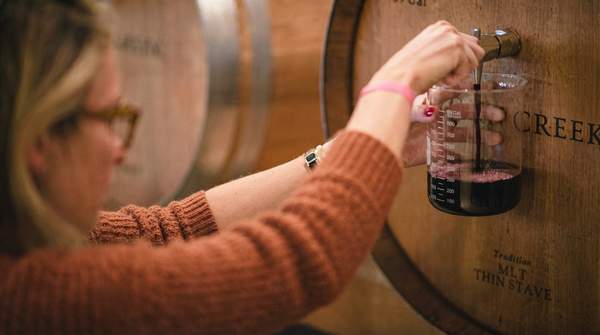
Terroir Explained: How Soil, Climate, and Human Craft Shape the Taste of Wine and Cheese
Terroir is the French concept that explains how a food or drink's unique character is shaped by both its natural environment and the human traditions involved in its production. Understanding terroir involves analyzing the interplay of soil, climate, and human craft in products like wine and cheese.

Upgrade Your Home Cooking Experience With BonCook’s Must-Have Kitchen and Bakeware Essentials
BonCook offers high-quality cooking tools, bakeware, and culinary products designed to upgrade home kitchens, making food preparation more convenient, efficient, and enjoyable. Their silicone kitchen tools are made with 100% FDA-approved, platinum-grade silicone, free of BPA and phthalates.
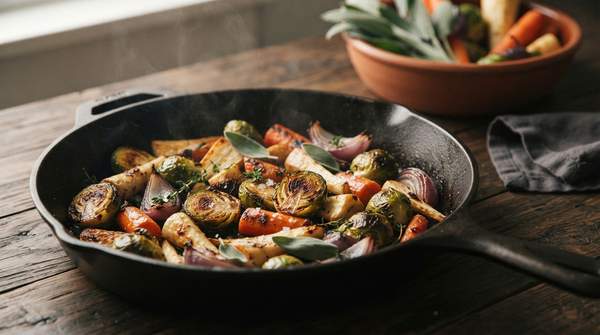
How to Brown Vegetables: Controlling the Maillard Reaction with Heat, Dryness, and pH
Master the Maillard reaction for deeply savory, browned vegetables by controlling temperature above water's boiling point, surface dryness, and pH. This guide explains the science and practical steps to achieve a golden-brown crust consistently.
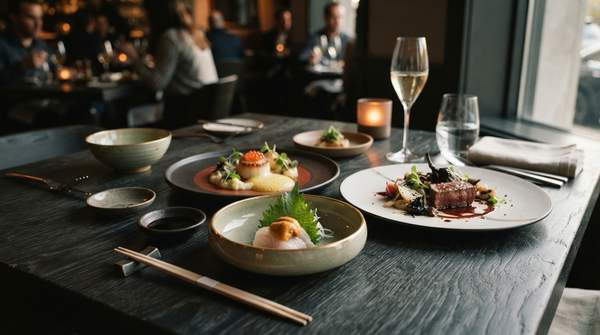
From Kaiseki to the Menu Dégustation: How the Tasting Menu Evolved
The tasting menu, a hallmark of modern fine dining, originated in 16th-century Japan as the multicourse kaiseki meal and was later adapted by French nouvelle cuisine chefs into the menu dégustation. Today, this format is diversifying into more accessible, sustainable, and varied options that reflect contemporary diner expectations.
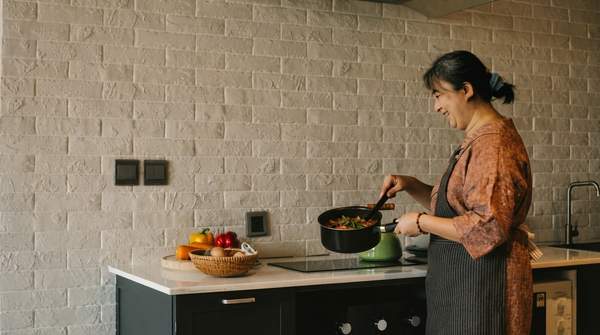
Match the Function, Not the Ingredient: A Plant-Based Substitution Framework for Home Cooks
Successful plant-based cooking hinges on understanding an ingredient's function in a recipe, not just memorizing swaps. This guide provides a framework to match plant-based substitutes to the specific job an animal ingredient performs, like binding, leavening, or adding moisture.
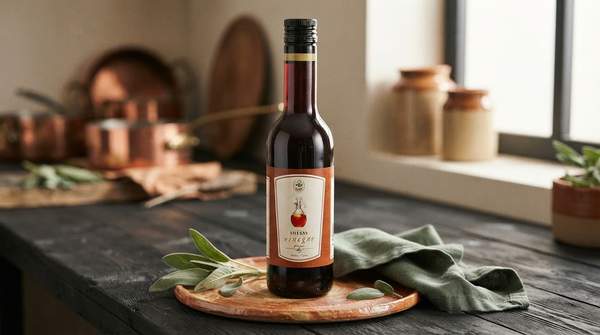
How to Choose the Right Vinegar: A Cook's Decision Framework for Dressings, Marinades, and Finishing
Choosing the right vinegar for your cooking depends on the desired flavor impact and culinary application. This guide provides a framework to select the best vinegar by considering its base ingredient, flavor profile, intensity, and acidity.

How CDM Brands' Ready-to-Go Cups Solve the #1 Problem with At-Home Micheladas
CDM Brands' Ready-to-Go Cups offer a convenient solution to the messy and time-consuming process of making micheladas at home. These all-in-one kits provide authentic flavor and allow for beer customization, eliminating the hassle of sourcing ingredients and rimming glasses.

Balancing the Five Tastes: How to Build a Complex Non-Alcoholic Cocktail From Scratch
Master non-alcoholic cocktail creation by balancing the five core tastes: sweet, sour, bitter, salty, and umami. Learn ingredient pairings and techniques to build complex, flavorful zero-proof drinks from scratch.
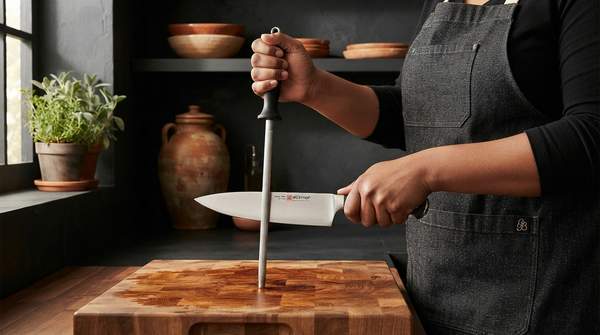
How to Julienne Vegetables: Knife or Peeler, and When to Use Each
Learn to julienne vegetables using either a chef's knife for precision or a julienne peeler for speed and ease. This guide compares both methods, helping you choose the best technique for consistent, matchstick-style strips.

Smoke Point Isn't the Whole Story: How to Actually Choose a Cooking Oil for High Heat
Choosing cooking oil for high heat involves more than just smoke point; thermal stability and refinement are equally crucial factors. Prioritize oils with stable fatty acid profiles, like monounsaturated or saturated fats, for better performance under heat.