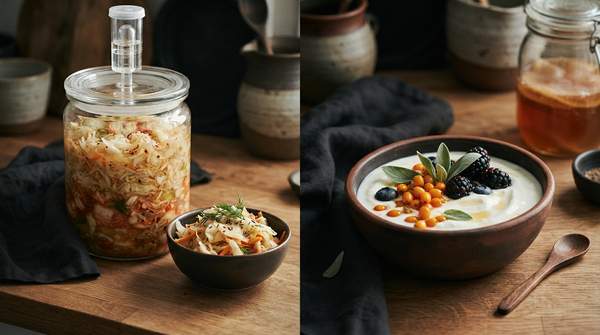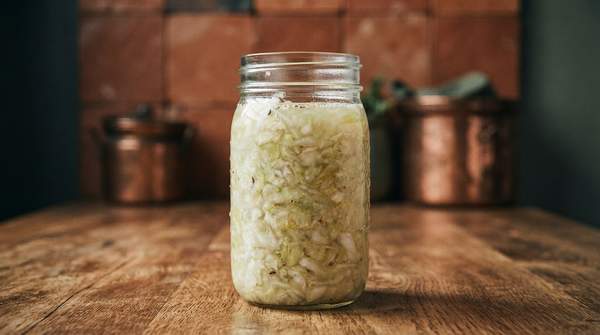
Prebiotics and probiotics sound interchangeable, but they do two different jobs in your gut: probiotics are live microorganisms you eat, while prebiotics are the fibers those microbes feed on. The good news for home cooks is that both come from ordinary groceries — garlic, onions, bananas and whole grains on one side; yogurt, kimchi, sauerkraut and miso on the other. Even better, pairing them in a single meal is simple, and the combination is what nutrition writers call a gut-friendly duo.
Understanding Prebiotics and Probiotics: The Basics
The cleanest way to hold the distinction in your head: probiotics are the living things, prebiotics are their food. A widely cited definition, issued by FAO/WHO experts, describes probiotics as live microorganisms that provide health benefits when consumed in adequate amounts. Prebiotics, per the same FAO/WHO guidance from 2007, are nonviable food components that confer a health benefit by modulating the microbiota.
Gastroenterologist Sarah Malik, writing for Nebraska Medicine, puts the practical difference plainly: when you eat probiotics, you're adding microbes to your gut, while prebiotics are a type of fiber the human body cannot digest. She also notes a useful nuance — all prebiotics are fibers, but not all dietary fibers have prebiotic effects. A 2017 meeting of the International Scientific Association of Probiotics and Prebiotics defined prebiotics as "a substrate that is selectively utilized by host microorganisms, conferring a health benefit."
Prebiotics: Fueling Your Gut's Good Bacteria
Prebiotics are typically indigestible fibers that survive digestion and reach the colon intact, where they selectively stimulate the growth and activity of beneficial bacteria. According to the Canadian Digestive Health Foundation, getting enough prebiotics can improve the number and variety of bacteria in the gut, supporting overall gut health.
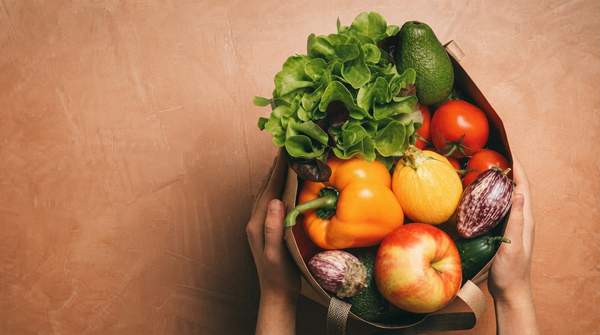
The foundation's registered dietitian Andrea Hardy offers a vivid reason not to skimp: "when we don't fuel our gut bacteria with enough prebiotics, bacteria have to find fuel from other sources," and in animal models they have been shown to eat the gut's protective mucous layer. Common prebiotic foods include garlic, onions, leeks, asparagus, bananas, oats, whole grains, legumes, apples, and certain nuts and seeds. Chicory root and Jerusalem artichoke are especially rich sources, and ingredients like inulin and fructo-oligosaccharides — prebiotic fibers now added to many packaged products — increasingly appear on labels.